
TCP vs UDP: What They Are and How They Differ
TCP and UDP explained: how the internet's two transport protocols differ in reliability, speed, and overhead, and when each one is the right choice.
Clear explainers, deep dives, and practical guides on networking and internet infrastructure. Written by the people behind Dig Trace network tools.
Subscribe via RSSTCP and UDP explained: how the internet's two transport protocols differ in reliability, speed, and overhead, and when each one is the right choice.
A firewall filters network traffic against security rules. Learn how packet filtering, stateful inspection, and NGFWs work, with command examples.

Run a free blacklist IP address check across 80+ DNS blocklists in minutes. Learn how to check if your IP is blacklisted and get delisted fast.
A proxy server sits between your device and the internet. Learn how proxies work, their types, and how they differ from VPNs.
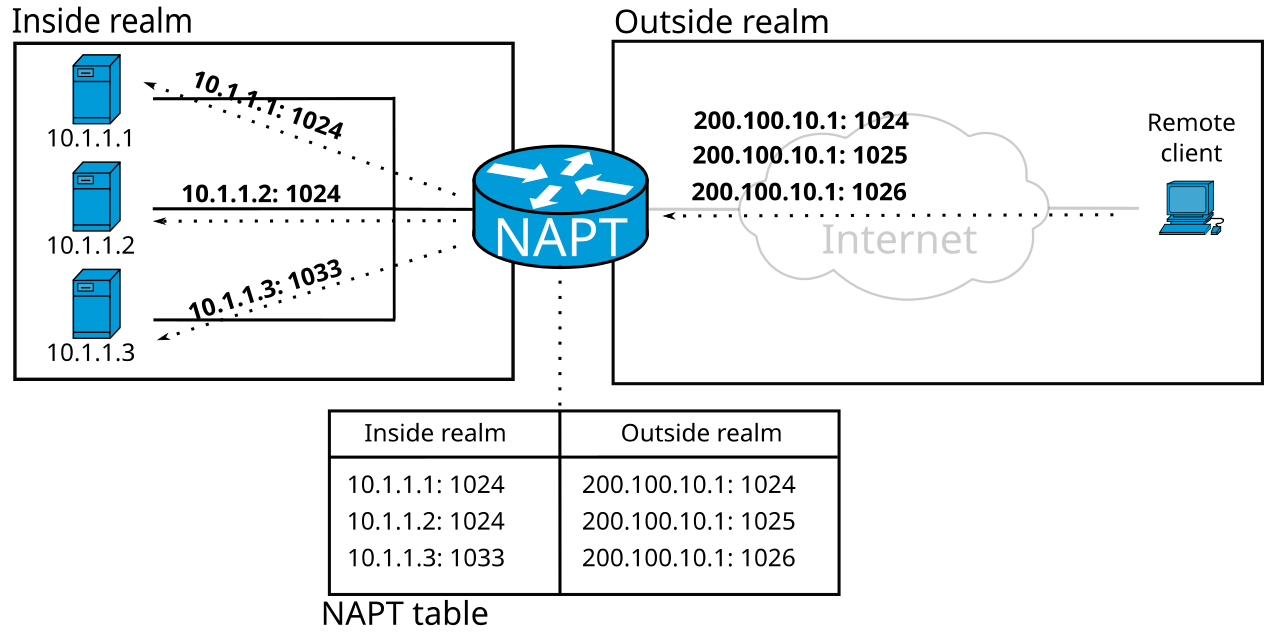
Port forwarding maps internet traffic from a public IP and port to a private device. Learn how it works, when to use it, and security trade-offs.
A router connects networks at Layer 3 using IP addresses. A switch connects devices within a LAN at Layer 2 using MAC addresses. Learn the key differences.

Learn what ICMP is, how it works, and why the Internet Control Message Protocol matters for network diagnostics and troubleshooting.
A subnet mask splits an IP address into network and host portions. Learn how it works, how to read one, and why it matters.
A MAC address is a unique hardware ID assigned to network interfaces. Learn how it works, how it differs from an IP address, and why randomization matters.
Learn what the dig command is, how it queries DNS servers directly, and why it's the standard tool for network troubleshooting.

SSL/TLS encrypts internet traffic, authenticates servers, and ensures data integrity between clients and servers using modern protocols TLS 1.2 and 1.3.
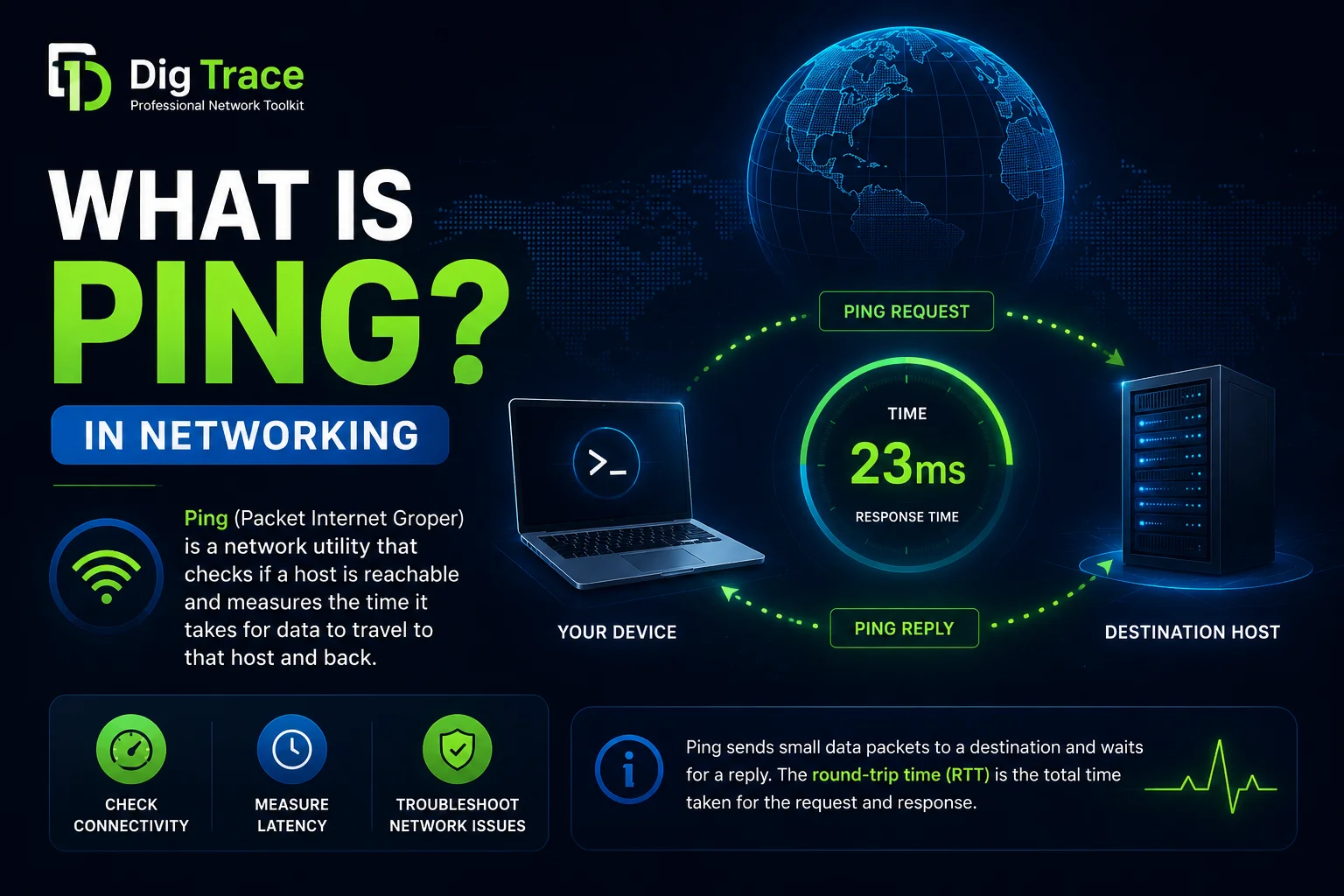
Ping is a network diagnostic utility that tests host reachability and measures latency using ICMP echo requests and replies.