
What Is SSL/TLS and How Does It Secure Internet Traffic?
SSL/TLS encrypts internet traffic, authenticates servers, and ensures data integrity between clients and servers using modern protocols TLS 1.2 and 1.3.
Clear explainers, deep dives, and practical guides on networking and internet infrastructure. Written by the people behind Dig Trace network tools.
Subscribe via RSSSSL/TLS encrypts internet traffic, authenticates servers, and ensures data integrity between clients and servers using modern protocols TLS 1.2 and 1.3.
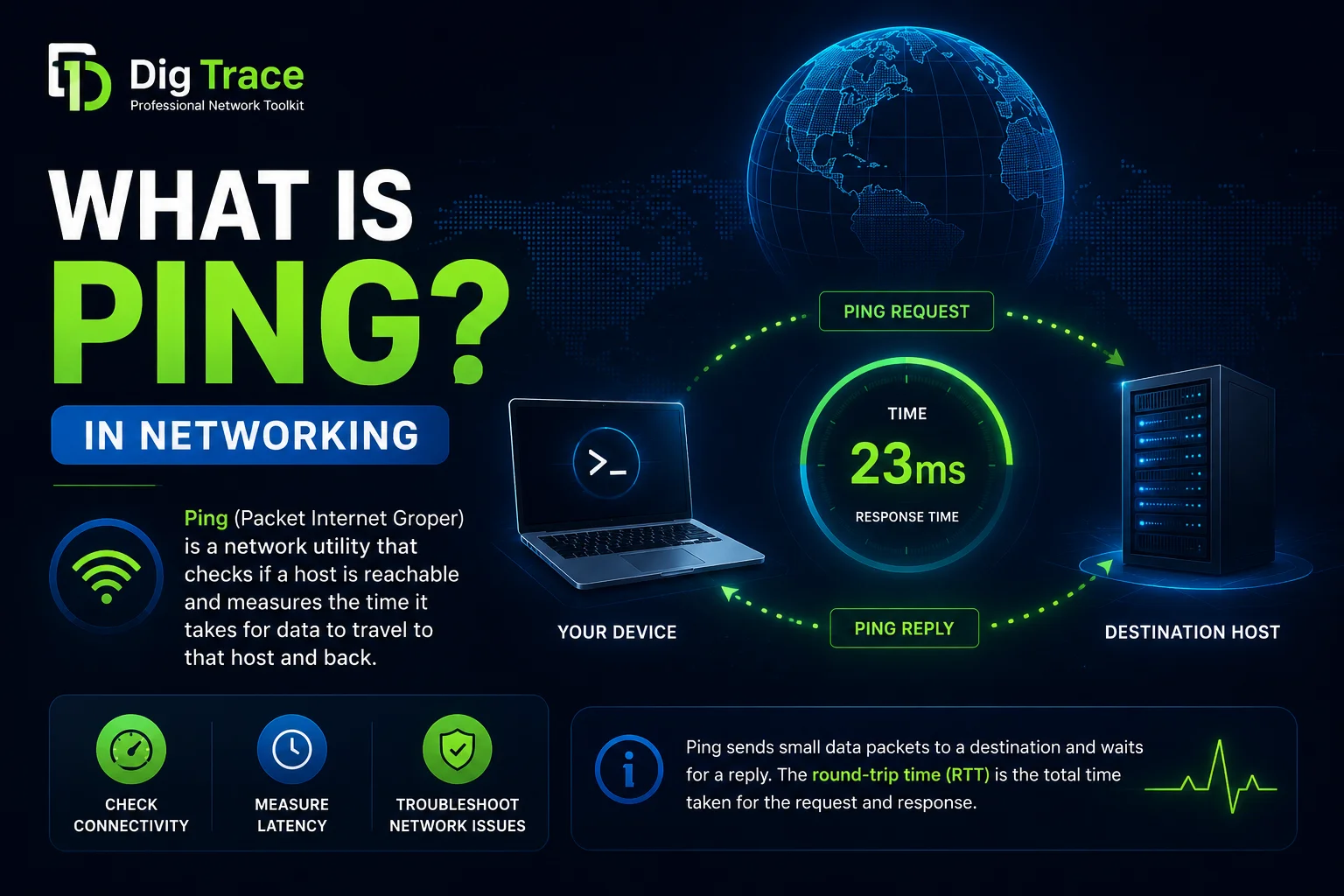
Ping is a network diagnostic utility that tests host reachability and measures latency using ICMP echo requests and replies.

Learn how public and private IP addresses differ, how NAT translates between them, and what CGNAT and IPv6 mean for your network.

An IP address is a unique network identifier. Learn what an IP address is, how IPv4 and IPv6 differ, and how to find your public IP address instantly.
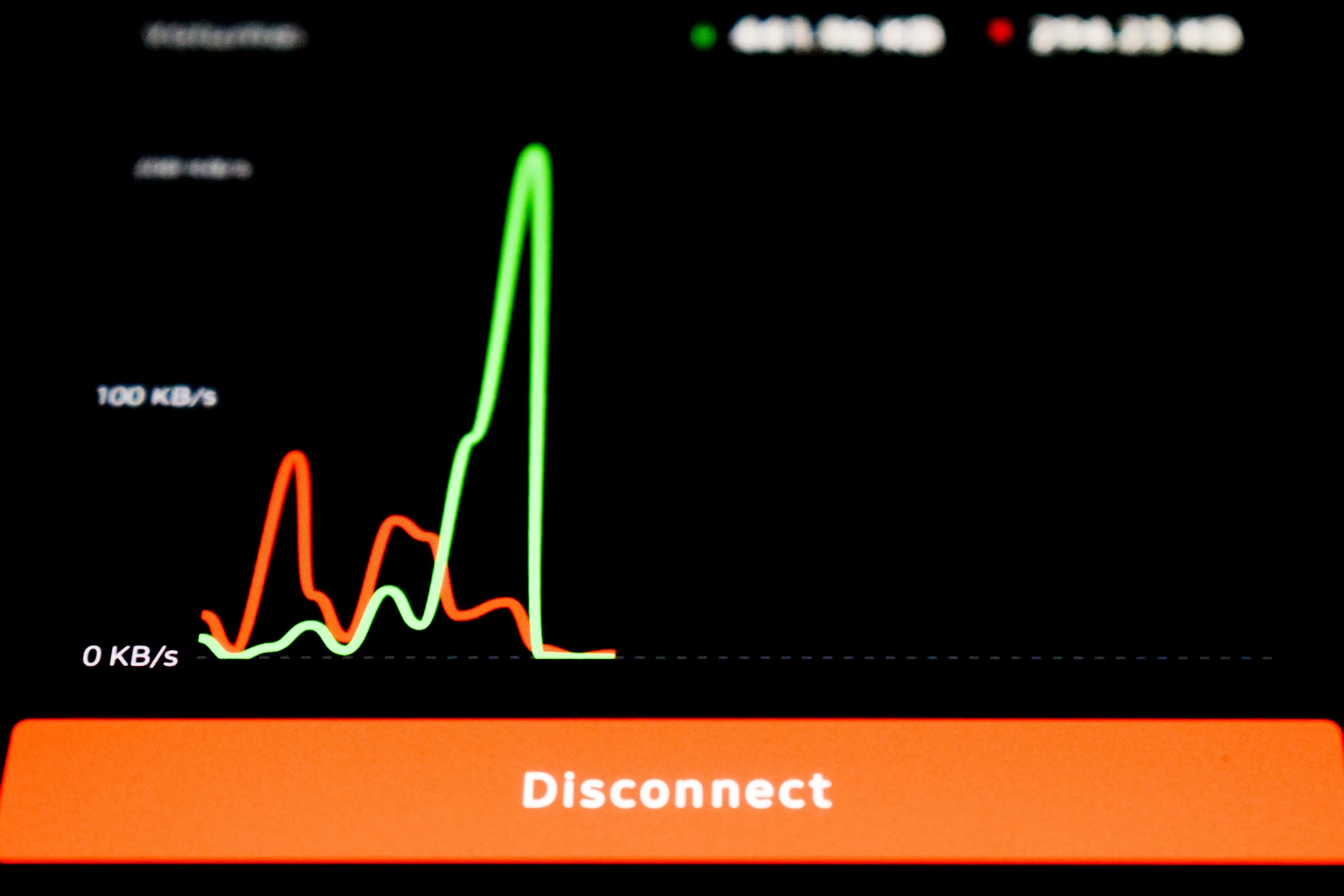
Learn how to benchmark internet speed accurately, interpret latency-under-load, spot bufferbloat, and choose the right tool for real network diagnostics.

An internet speed test measures download, upload, latency, and jitter between your device and a test server. Learn how it works and how to read results.

Traceroute maps network paths in a snapshot while MTR adds continuous latency and loss statistics. Learn how both tools work and when to use each.
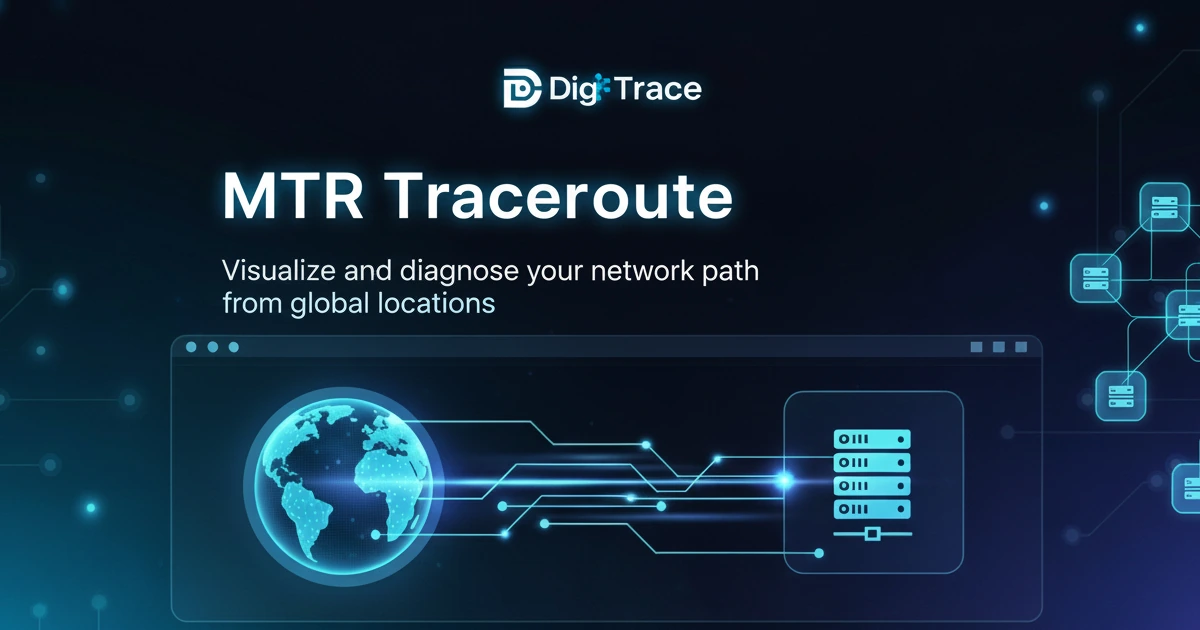
Learn how to run MTR, interpret live hop-by-hop statistics, and tell real packet loss from ICMP rate limiting when troubleshooting network routes.

Digtrace explains which DNS checker features actually matter: propagation depth, DMARC validation, bulk APIs, and future-ready automation.
DNS is the system that turns domain names into IP addresses. Here's how it actually works, what the common record types do, and why it matters for performance.